The Benefits of Learning Through Storytelling in Building Creativity

Stories have been a part of human culture for centuries, and there’s a reason for that, they work. When you introduce children to learning through storytelling, you’re giving them more than just entertainment. You’re helping them build creativity, imagination, and critical thinking skills, all while making education enjoyable.
Storytelling turns abstract ideas into concrete experiences. When you share a tale about a character overcoming challenges, discovering new worlds, or solving problems, children can visualize these events, internalize lessons, and imagine themselves in those scenarios. This active engagement supports cognitive development in ways traditional teaching methods sometimes cannot.
Enhancing Creativity & Imagination
Learning through storytelling encourages children to think beyond the obvious. As they listen or read, they picture scenes, create mental characters, and invent possibilities that extend beyond the story itself. This kind of imaginative thinking strengthens their creative abilities, inspiring them to draw, write, or even act out scenes from the story.
When you use stories to teach concepts, (e.g. numbers, colors, empathy, teamwork, etc.) children learn to connect ideas in innovative ways. They start to understand that problems can have multiple solutions, and that exploring different perspectives can be both fun and educational.
Supporting Cognitive and Language Development
Stories are rich with vocabulary, sentence structures, and emotional cues. By hearing or reading them, children naturally absorb new words and practice comprehension. They learn to recognize patterns, follow sequences, and anticipate what might happen next, all essential cognitive skills.
You can make storytelling interactive by asking questions like:
- What do you think happens next?
- How would you solve that problem?
This not only reinforces critical thinking but also strengthens communication and listening skills.
Teaching Life Lessons in a Fun Way
Beyond language and cognitive development, storytelling introduces children to social and emotional learning. They explore empathy, kindness, courage, and resilience through the actions of characters. By learning through storytelling, children can practice understanding emotions, making decisions, and solving conflicts safely and imaginatively.
Conclusion
Learning through storytelling is more than just reading for fun. It enhances creativity, imagination, and cognitive skills while making lessons memorable and engaging. By introducing stories into your child’s education, you’re not only teaching concepts, you’re inspiring a love for learning that lasts a lifetime.
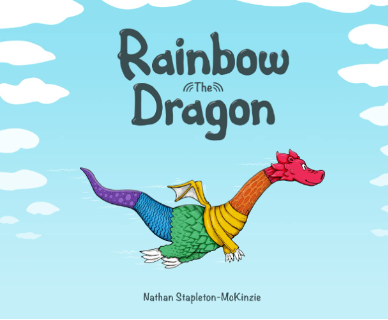
Nathan Stapleton-McKinzie’s “Rainbow the Dragon” is a perfect example of how stories can teach valuable lessons while sparking creativity. The book takes young readers on an enchanting adventure filled with colorful characters, problem-solving, and imaginative scenarios. Through reading this story, children can explore new ideas, learn empathy, and see that imagination is a powerful tool for learning.
If you want to give young readers an adventure that encourages creativity and imagination, order Rainbow the Dragon by Nathan Stapleton-McKinzie today and let storytelling spark their learning journey.