
Young children learn best when they can connect ideas across different experiences. A lesson about colors can become a nature investigation, an art project, and a conversation about emotions, all within the same day.
By combining storytelling, observation, discussion, and creative play, teachers can build an engaging lesson that supports early literacy, scientific thinking, and social-emotional development.
Begin with Color Recognition
Start by inviting students to name the colors they see around the classroom. Ask them to identify objects that are blue, yellow, red, green, orange, or purple.
Create a color chart and record their answers. Students can sort classroom objects, picture cards, or craft materials into matching groups. To expand the activity, ask questions such as:
- Which color do you see most often?
- Which color is hardest to find?
- Can one object contain several colors?
- What is your favorite color, and why?
These questions strengthen observation skills while encouraging children to express their ideas.
Take the Lesson into Nature
An outdoor color hunt gives students an opportunity to connect classroom learning with the natural world. Provide colored cards or a simple checklist and ask children to find natural objects that match each color.
They might notice a blue sky, a yellow flower, a red leaf, green grass, an orange sunset, or a purple blossom. Remind students to observe plants and animals carefully without disturbing them.
After returning indoors, invite the class to discuss its discoveries. Students can draw what they found or contribute pictures to a collaborative nature collage.
Explore the Connection Between Colors and Emotions
Colors can also help children communicate feelings. Ask students what emotions different colors bring to mind. Some may associate yellow with happiness, blue with calmness or sadness, red with excitement, and green with peace.
Make it clear that colors do not have one fixed emotional meaning. Every answer can be different because people experience feelings in different ways.
Give each student an outline of a simple character or creature. Ask them to fill it with colors representing how they feel that day. Students who are comfortable sharing can explain their choices to the class.
Practice Kindness and Emotional Support
Use the activity to begin a conversation about helping others. Ask children what they could do if a classmate felt sad, worried, or left out.
Possible answers might include listening, inviting the person to play, sharing something, offering kind words, or asking an adult for help. Role-playing these situations can help students practice supportive behavior in a safe environment.
Conclusion
Exploring colors can become much more than a basic recognition exercise. When teachers combine colors with nature, creativity, and emotional awareness, children develop a wider range of skills. They learn to observe carefully, describe their feelings, appreciate different perspectives, and respond to others with kindness.
A well-designed lesson can transform the colorful world around children into a welcoming space for discovery and meaningful conversation.
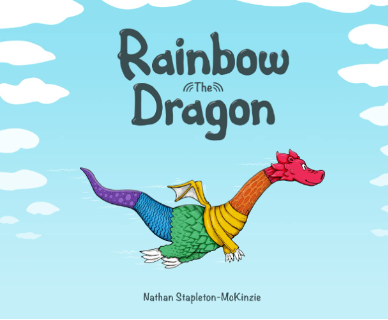
Choose Rainbow the Dragon by Nathan Stapleton-McKinzie for your next interactive read-aloud and turn the story into a student-led experience. Assign children different colors and invite them to raise a matching card whenever their color appears. Pause at each discovery so the class can identify the natural object, describe Rainbow’s changing emotions, and predict what might happen next.
After reading, ask students to create an additional page for the story. They can choose a new animal helper, select a colorful object from nature, and illustrate the color it would add to Rainbow. Combine the finished pages into a class-made sequel and place it in your reading corner alongside the original book.
This approach allows students to do more than hear the story. They become active participants, storytellers, artists, and thoughtful friends while reinforcing color recognition, observation, emotional vocabulary, and creative expression. Purchase your copy today!