
he early years of childhood are filled with discovery, curiosity, and learning. Every conversation, activity, and story helps children understand the world around them. Reading books during these important years creates a strong foundation for language, thinking skills, and emotional development.
Understanding the benefits of reading books in early childhood helps parents and teachers recognize why storytime is more than just entertainment. Books introduce children to new ideas, encourage curiosity, and create meaningful moments for learning.
Whether you are reading at home, in a classroom, or during bedtime routines, stories can help children develop skills that support them throughout their lives.
Supporting Language and Communication Skills
One of the biggest benefits of reading books in early childhood is the positive impact on language development. When children listen to stories, they hear new words, sentence structures, and ways of expressing ideas.
Picture books are especially helpful because children can connect words with images, making it easier to understand and remember new concepts. As you read together, you can point out pictures, explain unfamiliar words, and ask questions about the story.
Simple conversations during reading time help children become stronger listeners and more confident speakers. Over time, these skills support better communication and learning in school.
Encouraging Creativity and Imagination
Books open the door to new worlds, exciting adventures, and endless possibilities. Through stories, children can imagine different places, characters, and experiences that encourage creative thinking.
When children explore imaginary worlds, they learn to create their own ideas and express themselves in new ways. They may draw their favorite characters, act out scenes, or create their own stories inspired by what they read.
You can encourage creativity by asking questions like, “What do you think happens next?” or “How would you change the ending?” These small activities help children become active participants in the learning process.
Helping Children Understand Feelings and Emotions
Stories can also help children develop emotional awareness. Characters in books often experience feelings such as happiness, fear, excitement, or disappointment. These moments give children a chance to understand emotions and learn how to respond to different situations.
Reading about characters who solve problems, show kindness, or overcome challenges helps children develop empathy and emotional understanding. They begin to recognize their own feelings while learning how others may feel too.
Parents and teachers can use stories as opportunities to discuss friendship, kindness, patience, and positive choices.
Creating a Love for Lifelong Learning
Early literacy is not only about learning to read, it is about building a positive relationship with books and knowledge. When children enjoy stories from a young age, they are more likely to see reading as a fun and rewarding experience.
Regular reading routines help children develop curiosity and a desire to explore new ideas. A simple story shared each day can create lasting memories while encouraging a lifelong love for learning.
Conclusion
The benefits of reading books in early childhood go far beyond learning new words. Stories help children build communication skills, develop creativity, understand emotions, and discover the joy of learning.
By making reading a regular part of a child’s routine, you can provide valuable support for their growth and development. Whether you are sharing a bedtime story or exploring a picture book in the classroom, every reading moment helps children build skills that last a lifetime.
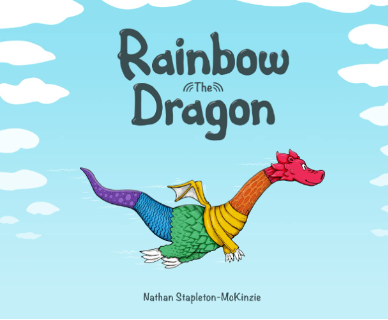
If you are looking for a heartwarming story that inspires imagination, kindness, and early learning, order Rainbow the Dragon by Nathan Stapleton-McKinzie today and give young readers a book they can enjoy while discovering meaningful lessons.