5 Ways to Help Reluctant Readers Fall in Love with Books

Not every child immediately enjoys reading. Some find books difficult, while others struggle to remain interested or associate reading with tests and correction. The good news is that a child’s attitude toward books can change when reading becomes enjoyable, personal, and free from unnecessary pressure.
Here are five practical ways parents and teachers can help reluctant readers develop a more positive relationship with books.
1. Let Children Choose Their Reading Material
Children are more likely to read when the subject interests them. Instead of selecting every book for them, offer several age-appropriate choices.
A child might prefer humorous stories, colorful picture books, animal adventures, comics, mysteries, or nonfiction about dinosaurs and space. These preferences should be encouraged. The objective is not to choose the most challenging book but to help the child experience the satisfaction of finishing something enjoyable.
2. Create a Relaxed Reading Routine
Reading should not always feel like an assignment. Establish a short, predictable routine in a comfortable environment.
Begin with ten minutes after dinner, before bed, or at the start of the school day. Create an inviting space with cushions, good lighting, and a small selection of books. Keeping the sessions brief can prevent frustration and leave children wanting more.
Consistency matters more than duration. A calm ten-minute reading experience every day can be more effective than one stressful hour each week.
3. Make Reading Interactive
Reluctant readers often respond well when they can participate. Ask them to predict what will happen, find details in an illustration, imitate a character’s voice, or act out a scene.
Adults can alternate pages or sentences with the child. If the text is difficult, the adult can read aloud while the child follows the pictures and joins in with repeated words.
Interactive reading removes the pressure to perform and transforms a book into a shared experience.
4. Connect Stories to Real Life
Books become more meaningful when children can connect them with something they have seen or done.
After reading about nature, take a short walk and search for objects mentioned in the story. Follow a book about cooking with a simple recipe, or provide art supplies after reading an illustrated adventure.
These connections show children that reading is not an isolated school activity. Books can inspire exploration, creativity, conversation, and play.
5. Celebrate Interest, Not Perfection
Correcting every mistake can make a developing reader feel self-conscious. Focus instead on curiosity, effort, and participation.
Praise children for choosing a book, noticing an illustration, asking a question, or remembering a character. Avoid comparing their progress with that of other readers. When children feel safe making mistakes, they are more willing to continue practicing.
Conclusion
Helping reluctant readers takes patience. Choice, consistency, participation, real-world connections, and positive encouragement can gradually replace resistance with curiosity. The goal is not to force children through as many pages as possible. It is to help them discover that books contain characters, ideas, and adventures worth returning to.
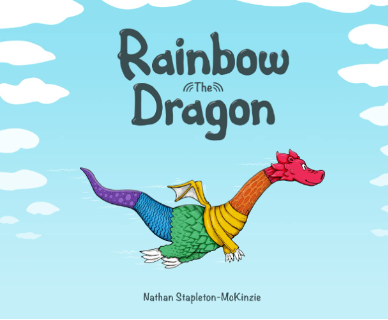
Introduce your young reader to Rainbow the Dragon by Nathan Stapleton-McKinzie, a gentle picture book about a dragon who has lost all her colors. With help from a cheerful group of animals, Rainbow explores the natural world and discovers brilliant colors in the sky, flowers, apples, clover, pumpkins, and lilacs. Each discovery brings another part of her colorful appearance back to life.
The book’s short passages, playful rhymes, expressive illustrations, and easy-to-follow pattern make it especially approachable for children who feel overwhelmed by long or text-heavy stories. Young readers can follow the adventure visually, anticipate the next discovery, and experience the confidence of understanding the story without needing to read every word independently.
Give your child the freedom to explore the pictures, repeat a favorite line, or simply listen during the first reading. When a book feels welcoming instead of demanding, it can become the beginning of a lasting love of reading. Buy your copy today!