The preschool years are an important time for children to learn how to connect with others. During this stage, children begin forming friendships, understanding emotions, and discovering how their actions can affect the people around them.
Teaching preschoolers about friendship helps children develop important social skills, including sharing, listening, cooperating, and showing kindness. These lessons do not always need to feel like formal teaching. Everyday moments, playful activities, and meaningful stories can help children learn what it means to be a good friend.
As a parent, you can guide your child by creating opportunities to practice friendship skills in fun and natural ways.
1. Use Stories to Talk About Friendship
Stories are one of the easiest ways to introduce friendship lessons to young children. When children read about characters helping each other, solving problems, or showing kindness, they begin to understand positive behaviors.
You can pause while reading and ask questions like, “How did the character help their friend?” or “What could they do differently?” These simple conversations encourage children to think about feelings, choices, and relationships.
Books also allow children to explore different situations in a safe way. They can learn that friends may have disagreements, but they can also solve problems by being patient, caring, and understanding.
2. Encourage Sharing Through Play
Playtime provides many chances for children to practice friendship skills. Activities such as building with blocks, creating artwork together, or playing pretend games teach children how to take turns and cooperate.
You can support this learning by gently guiding your child during play. Remind them that sharing does not mean giving everything away, it means making space for others to join and enjoy the activity too.
Through playful experiences, children learn that teamwork and kindness can make activities more enjoyable for everyone.
3. Teach Children to Recognize Feelings
Understanding emotions is an important part of building strong friendships. Children who can recognize their own feelings are often better able to understand how others feel.
You can help your child develop empathy by talking about emotions in everyday moments. Ask questions like, “How do you think your friend felt when that happened?” or “What can we do to help someone who feels sad?”
These conversations teach children that being a good friend means paying attention to others and showing care.
4. Practice Kindness in Everyday Moments
Small acts of kindness can create big lessons. Encourage your child to say thank you, offer help, include others in play, and use gentle words.
You can turn kindness into a daily habit by noticing and celebrating thoughtful actions. When children see kindness being valued, they are more likely to practice it with friends, siblings, and classmates.
Teaching preschoolers about friendship through kindness helps them understand that friendships grow through respect, care, and positive choices.
5. Choose Stories That Inspire Friendship Lessons
The stories children enjoy can become powerful tools for teaching important values. Books with lovable characters and meaningful messages help children explore friendship, courage, and compassion while keeping them engaged.
Final Note
Teaching preschoolers about friendship is a journey built through everyday experiences, thoughtful conversations, and joyful moments of play. Stories and activities can help children understand how to share, communicate, and care for others.
Whether you are reading together at home or guiding children in a classroom setting, friendship lessons can help young learners build stronger relationships and develop important emotional skills.
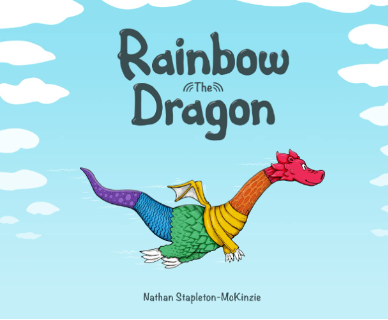
If you are looking for a meaningful story that encourages kindness, imagination, and friendship, order Rainbow the Dragon by Nathan Stapleton-McKinzie today and give your child a story that inspires positive lessons and lifelong values.